
Amputation Repair and Revision in Cleveland, OH
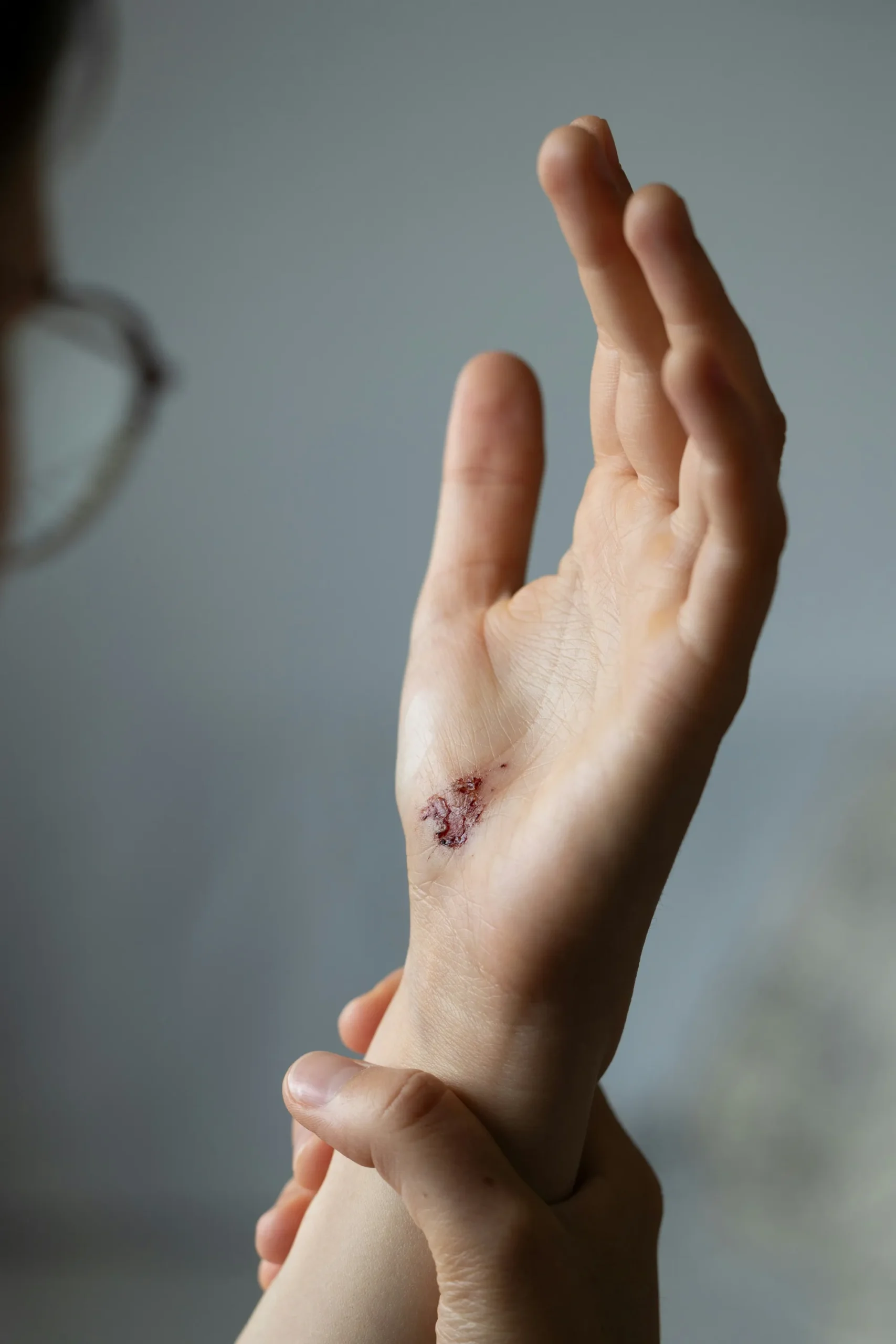
An amputation, whether the result of a sudden traumatic injury or a necessary surgical intervention, is a life-changing event. However, the initial healing of an amputation site is not always the end of the journey. Issues such as painful nerve endings (neuromas), poor skin coverage, or “proud” bone can lead to chronic pain and difficulty using prosthetic devices or performing daily tasks.
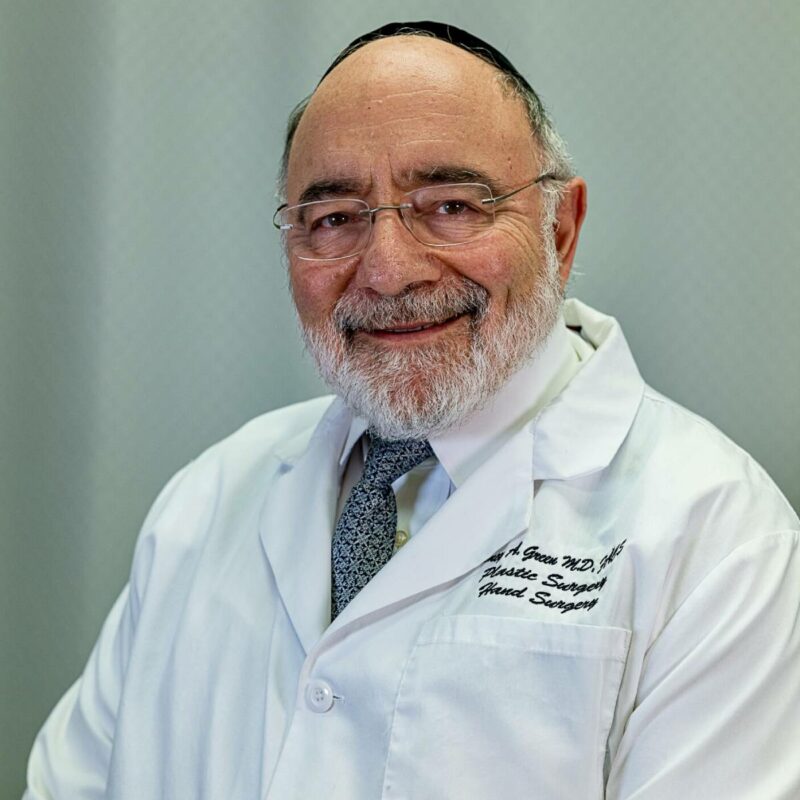
Dr. Rodney Green specializes in Amputation Revision and Repair, specifically for the fingers and hands. By combining his expertise in hand surgery with plastic surgery techniques, he works to eliminate pain and create a stable, functional, and aesthetically contoured residual limb.

Why Consider Amputation Revision?
Revision surgery is often necessary to address complications that arise after the initial healing phase. You may be a candidate for a revision if you experience:
- Symptomatic Neuromas: Painful, “electric shock” sensations caused by a nerve ending that has become trapped in scar tissue.
- Inadequate Soft Tissue: Thin or fragile skin over the bone that frequently breaks down, blisters, or feels cold and painful.
- Protruding Bone: When the bone is too long for the surrounding skin to cover comfortably, making it sensitive to even the lightest touch.
- Aesthetic Concerns: To improve the contour and shape of a finger or hand to look more natural or to better fit a prosthetic.
- Hook Nail Deformity: When a partial fingertip amputation leaves a remnant of the nail that grows downward over the tip, causing pain and snagging.
The Procedure: Precision Reconstruction
Dr. Green tailors each revision to the specific needs of the patient, focusing on a “pain-free and functional” outcome.
- Nerve Management: Dr. Green identifies painful nerve endings and utilizes “nerve burying” or “targeted reinnervation” techniques to move the nerve away from the skin surface, significantly reducing chronic pain.
- Bone Contouring: The end of the bone is smoothed and shortened if necessary to ensure it is deeply cushioned by healthy tissue.
- Skin Flap Reconstruction: If the skin is too thin, Dr. Green may use a Local Tissue Flap, moving healthy, padded skin from a nearby area to provide a durable “cushion” for the residual limb.
- Nail Bed Ablation: If a partial nail is causing irritation, Dr. Green can permanently remove the nail-producing tissue to smooth the fingertip.
Recovery & Sensitivity Management
- The First 2 Weeks: The area will be protected in a soft dressing. Keeping the hand elevated is critical to prevent throbbing and swelling.
- Desensitization: Once the skin has healed, Dr. Green often recommends a desensitization program. This involves touching the area with different textures to “re-train” the nerves and reduce hypersensitivity.
- Prosthetic Fitting: If you are planning on using a prosthetic, Dr. Green works to ensure the shape of the residual limb is optimized for a comfortable and secure fit.
- Direct Access: Our team maintains close contact with patients via telephone, and Dr. Green is always available for direct consultation and reassurance.
Important Note on Your Recovery & Results
Every individual’s body is unique, and as such, recovery timelines and the resolution of nerve pain will vary from patient to patient. Nerve healing is a slow process, and it may take several months for the final level of comfort and sensitivity to be established.
While Dr. Green and our team are here to support you every step of the way, your safety is a partnership. It is vital that you contact our office immediately at 440-449-8880 if you notice any unusual symptoms, such as excessive pain, unexpected swelling, redness, or fever. Early communication ensures we can provide the necessary guidance to keep your recovery on track.
Amputation Revision FAQs
Can revision surgery help with "phantom" pain?
While phantom pain (feeling the missing part) is neurological, “stump pain” (pain at the site) is often structural. By fixing nerve entrapments and bone protrusions, Dr. Green can significantly reduce the overall pain load, which often improves phantom sensations as well.
Is this a major surgery?
Most finger and hand revisions are performed as outpatient procedures under local anesthesia with sedation or a regional block. You can typically return home the same day.
Will I lose more length during a revision?
In some cases, a very small amount of bone (millimeters) is shortened to ensure that the skin closure is tension-free and well-padded. Dr. Green’s priority is a functional, comfortable length.
How long until I can use my hand normally?
Most patients return to light activity within 2 to 3 weeks. Heavy manual labor or high-impact activities usually require 6 to 8 weeks of healing.
Consultation Checklist: Questions to Ask Dr. Green
- Is my pain coming from a neuroma or is it related to the bone?
- What type of skin flap will provide the best cushion for my activity level?
- How long should I wait after revision surgery before being fitted for a prosthetic?
- Can you address the “hook nail” or snagging I experience on this finger?
Achieve Your Dream Body With Our Experienced Surgical Team
We understand that your body is unique, and your goals for surgery are too. That’s why we offer a variety of surgical procedures to help you achieve your desired results.
Dr. Rodney Green is dedicated to providing you with the highest quality care and support. We will work with you to create a personalized treatment plan that meets your individual needs and expectations.
Call us at 440-449-8880 or email us at drgreen@dr-rodgreen.com to take the first step toward the body of your dreams. to take the first step toward the body of your dreams.