
Dupuytren’s Contracture Treatment in Cleveland, OH
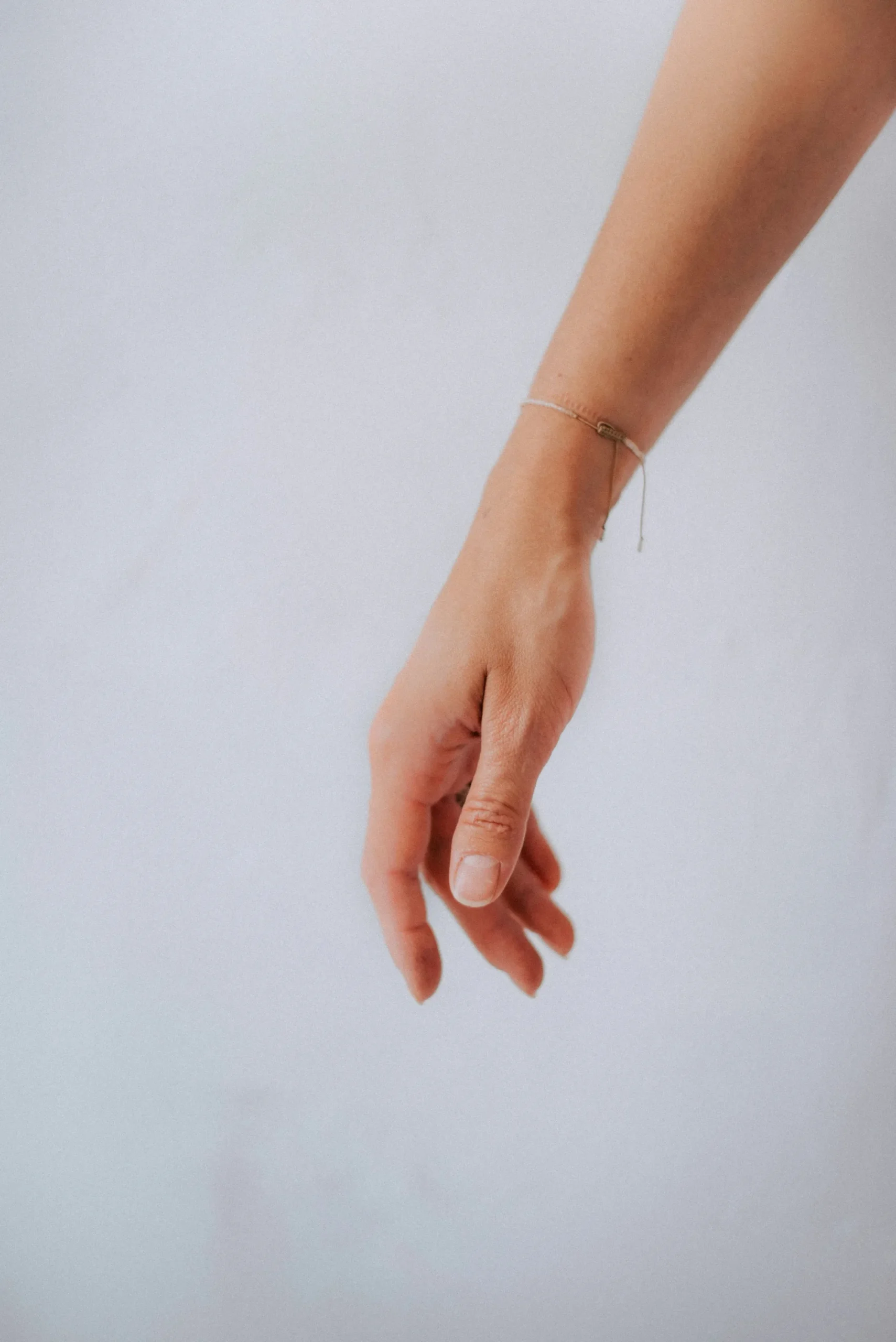
Dupuytren’s contracture is a progressive hand condition that causes the connective tissue (fascia) beneath the skin of your palm to thicken and tighten. Over time, this creates tough “cords” that pull one or more fingers—most commonly the ring and pinky fingers—inward toward the palm, making it impossible to fully straighten them. This can interfere with everyday actions like shaking hands, putting on gloves, or reaching into a pocket.
Dr. Rodney Green specializes in the surgical release of these cords. By meticulously removing or dividing the diseased tissue, he can restore the extension of your fingers and significantly improve your hand’s functional range of motion. You may also be a candidate for an injection treatment with an enzyme (Xiaflex) that dissolves the Dupuytren’s cord. Dr. Green has experience with this technique as well and can discuss this with you.

Understanding Dupuytren’s Contracture
Dupuytren’s is often a hereditary condition and typically progresses through distinct stages:
- Nodules: Small, firm lumps develop in the palm that may feel tender at first.
- Pitting: The skin may begin to look puckered or indented as the tissue tightens.
- Cords: Thick, rope-like bands form under the skin, extending from the palm to the fingers.
- Contracture: The cords tighten, pulling the fingers into a permanently bent position.
When is it time for surgery?
Dr. Green generally recommends a release when you can no longer lay your hand flat on a table (the “Tabletop Test”) or when the contracture prevents you from performing daily tasks.
The Procedure: Fasciectomy for Lasting Results
While there are several ways to treat Dupuytren’s, Dr. Green often performs a Subtotal Palmar Fasciectomy, which is considered the most reliable long-term surgical solution.
- Precision Removal: Under anesthesia, Dr. Green makes specialized “Z-shaped” incisions (Z-plasty) in the palm and fingers. This unique incision pattern allows for maximum skin expansion when the finger is straightened.
- Tissue Release: The thickened, diseased fascia is carefully separated from the healthy nerves and blood vessels and removed.
- Immediate Improvement: You will often see a dramatic improvement in your ability to straighten your fingers before you even leave the operating room.
Recovery & Hand Rehabilitation
Because Dupuytren’s involves the removal of tissue, the recovery process is a vital part of the result.
- Wound Care: You will have a bandage on your palm for the first week. Dr. Green uses meticulous suturing to promote healthy healing of the palm skin.
- Night Splinting: To maintain the new, straight position of your fingers, you may be required to wear a custom-fitted splint at night for several months.
- Hand Therapy: Dr. Green often recommends working with a specialized hand therapist to perform exercises that prevent scar tissue from shortening and to ensure your grip strength returns quickly.
- Direct Access: Our team maintains close contact with patients via telephone, and Dr. Green is always available for direct consultation and reassurance.
Important Note on Your Recovery & Results
Every individual’s body is unique, and as such, recovery timelines and the final degree of finger extension will vary from patient to patient. The success of the surgery depends largely on how long the finger has been contracted; the sooner the release is performed after the contracture begins, the better the final result.
While Dr. Green and our team are here to support you, your safety is a partnership. It is vital that you contact our office immediately at 440-449-8880 if you notice any unusual symptoms, such as excessive swelling, numbness that does not resolve, or signs of infection. Early communication is key to a successful recovery.
Dupuytren’s Release FAQs
Is this a permanent cure?
Surgery is the most effective way to restore function, but because Dupuytren’s is a systemic condition, it can potentially return in other fingers or the same area years later. Removing the diseased tissue provides the longest period of relief compared to other methods.
Does the surgery hurt?
The procedure is performed under anesthesia so you are comfortable. Post-operative discomfort is managed with medication and typically subsides significantly within the first few days.
When can I return to normal activities?
Light use of the hand is encouraged shortly after surgery. Most patients return to “desk work” in 1 to 2 weeks, while heavy manual labor may require 6 to 8 weeks of healing and therapy.
What is the "Tabletop Test"?
Try to place your hand palm-down flat on a hard surface. If you cannot get your palm and fingers to touch the surface simultaneously, the contracture is progressing and a consultation with Dr. Green is recommended.
Consultation Checklist: Questions to Ask Dr. Green
- Based on my “Tabletop Test,” am I ready for surgery now?
- How many “cords” do you anticipate needing to release?
- What is the likelihood of recurrence in my specific case?
- Will I need a custom splint made by a hand therapist after the procedure?
Achieve Your Dream Body With Our Experienced Surgical Team
We understand that your body is unique, and your goals for surgery are too. That’s why we offer a variety of surgical procedures to help you achieve your desired results.
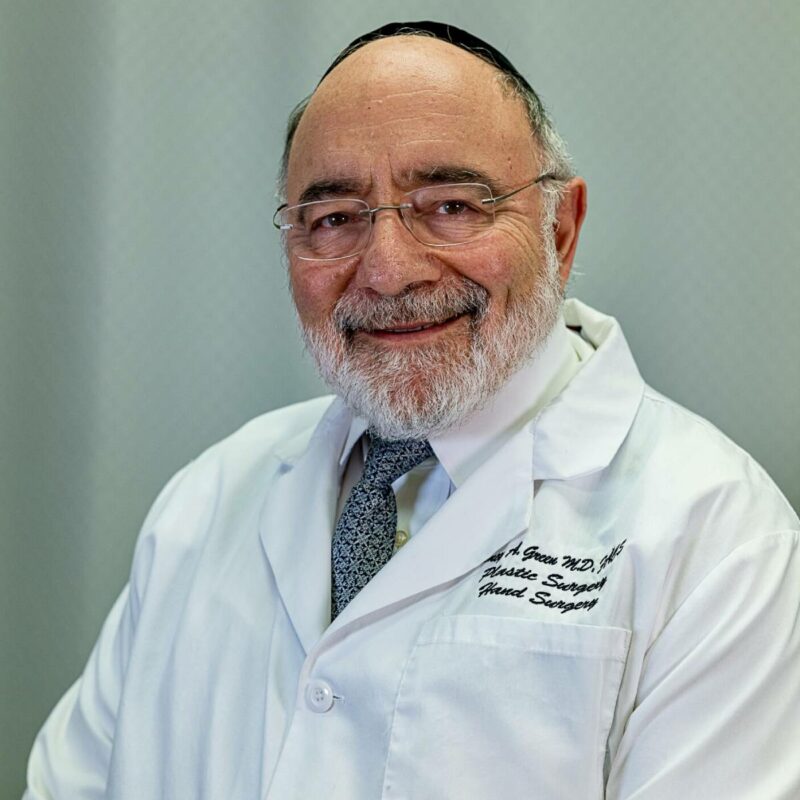
Dr. Rodney Green is dedicated to providing you with the highest quality care and support. We will work with you to create a personalized treatment plan that meets your individual needs and expectations.
Call us at 440-449-8880 or email us at drgreen@dr-rodgreen.com to take the first step toward the body of your dreams. to take the first step toward the body of your dreams.